Questions and Answers

What's next for Swanton Pacific Ranch?

Five years after the CZU Lightning Complex Fire burned through Santa Cruz County, Swanton Pacific Ranch’s director says the ranch is regaining its strength and building for the future.

Interviewed by Robyn Kontra Tanner // Photos courtesy of the College of Agriculture, Food and Environmental Science

Share this article:

A group of Cal Poly students gather at Swanton Pacific Ranch during an excursion. 

In August 2020, the massive CZU Lightning Complex Fire raged through Cal Poly’s Swanton Pacific Ranch in Santa Cruz County. The blaze scorched roughly 80% of the ranch’s 3,200 acres and destroyed more than 40,000 square feet of learning space — including classrooms, labs, industrial shop space, a conference center, student housing and commercial kitchens. Many of the permanent staff on the ranch lost their homes and all of their possessions.  
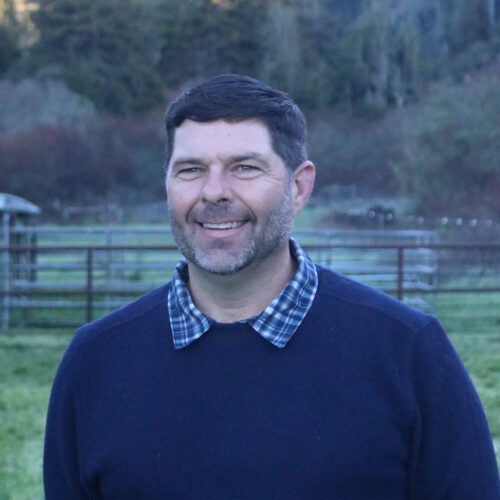
Mark Swisher at Swanton Pacific Ranch

Swanton Pacific Ranch Director Mark Swisher

Five years later, the ranch’s director, Mark Swisher, says new opportunities are sprouting from the ashes. New growth is rising in the redwood forests and oak woodlands that suffered high-severity burns. Faculty and student groups are visiting regularly for field trips, to conduct research and help rebuild infrastructure. Behind the scenes, the university has formed partnerships with local, state and federal organizations to secure millions in funding to support disaster recovery. 

Swisher sat down with Cal Poly Magazine in November to explain what’s on the horizon for the ranch and how this immersive learning environment will evolve to support even more student Learn by Doing experiences. 
WHAT IS YOUR VISION FOR THE FUTURE OF SWANTON PACIFIC RANCH?

We’re working toward the vision of being the premier experiential learning center in advancing whole systems thinking on working landscapes across California and the world. The pathway to accomplish that big idea, or work toward that, is through Cal Poly academic programs.  

We have a truly unique opportunity to rebuild and intentionally design our learning facilities and infrastructure to better serve Cal Poly students. We’re designing the structures to accommodate semester-in-residence programs and a study-away program, in addition to the short-term field trips and summer internships that the ranch has always accommodated.

We’re working on faculty fellowships to support the teacher-scholar model. I anticipate the bulk of our student population will continue to be through the College of Agriculture, Food and Environmental Sciences, but there will be increased capacity and opportunities for the entire university to utilize the ranch to develop and deliver additional programs.  

Swanton Pacific Ranch was typically most active during the summer because that’s when students could participate for longer stays. As universitywide year-round operations begin in 2027, that opens up the fall and spring semesters so we can extend opportunities more broadly.  

When alumnus Al Smith donated this amazing place to Cal Poly, he wanted to see the ranch as a living and learning laboratory to support Learn by Doing forever. I think it’s important that we recognize this is all in alignment with that desire of the gift.  

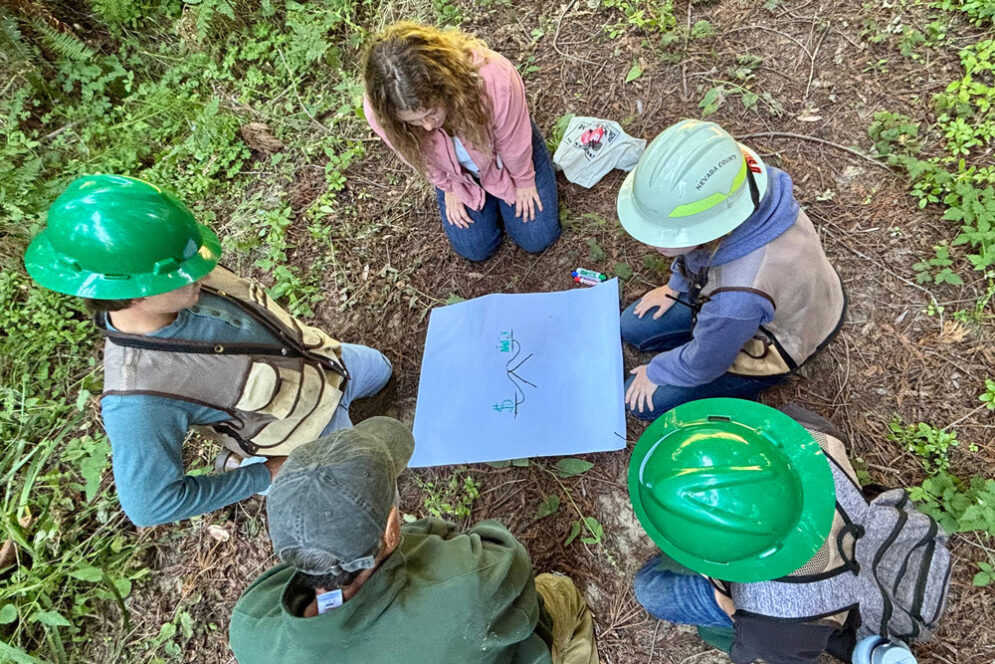
Five students kneel around a piece of paper on the forest floor
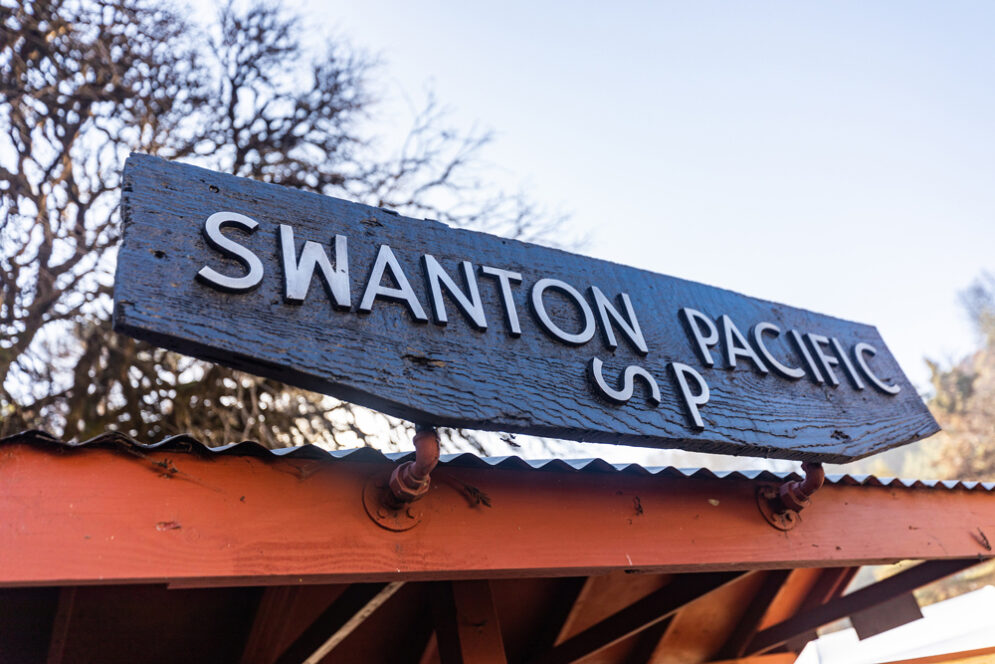
A sign reading Swanton Pacific
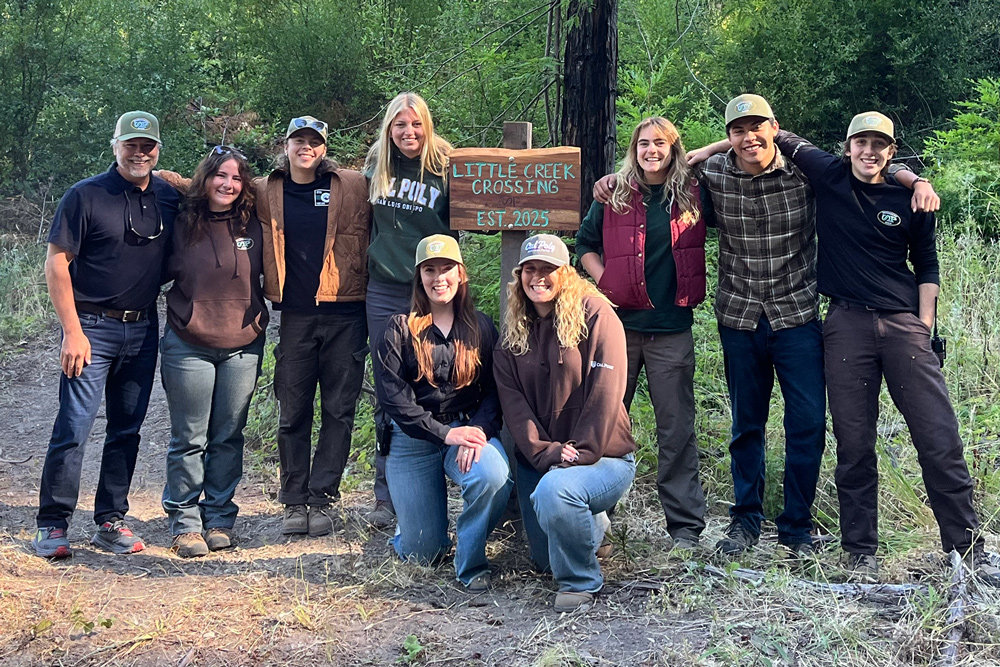
An administrator stands with eight students at a creek crossing sign at Swanton Pacific Ranch

First photo: Students coordinate their work at the ranch. Second photo: A sign on ranch property, taken in 2020. Photo by Joe Johnston. Third photo: Dean Brian Horgan (left) visits the ranch with a team of students.

WHAT HAS BEEN THE HARDEST PART OF THIS RECOVERY?

When it comes to the work itself, it has required a great deal of agility to balance immediate needs and longer-term planning with complex site constraints and permitting requirements. That can be particularly challenging at times.  

What was surprising in a positive way: I was really inspired by unwavering support from the staff, faculty, students, Al Smith’s family, alumni, industry partners, neighbors and elected officials of this ranch and the talent that it develops. The students who participate in the programs here — or have over the previous five decades — go out and assume leadership roles in industries or agencies related to land management or agricultural production. 

It was very heartwarming to have them reach out with a phone call, participate in a field trip or give us a casual mention when giving a presentation. It was really helpful to have those trickle in over the last few years and bring inspiration and focus to the work when some of these complexities came up.  

The ranch has this innate ability to demonstrate the realities of what that resilience looks like.

WHAT’S GOING ON AT THE RANCH RIGHT NOW?

We’re still getting settled in with our reforestation work that’s been completed and positioning a fuels maintenance program through prescribed fire and other treatments. That accompanies other planning efforts related to aquatic and stream restoration and farmland resilience work. Those are in the planning phases, with implementation expected within the next few years.  

On the construction side, we are in the process of bringing a general contractor on board, and we’ll be kicking off the process of obtaining project permits in the next month or two.  

The project description includes two classrooms, each of which can hold 48 students, administrative space, event space, and short-term and long-term student housing. It’s an impressive capacity that has long been contemplated for the ranch. 

What we come out of the gate with for the first phase or two of construction is not going to be the full capacity. I anticipate it will be a phased implementation over many years. Our intent is to design and permit a scalable living and learning environment.  

If you came out here and said, “What’s happening?” you may not see a lot. Four years of debris removal, hazard mitigation, infrastructure replacement, and technical studies all sounds pretty boring, but we could not be here — at this pivotal moment kicking off a monumental initiative — without all that effort. 

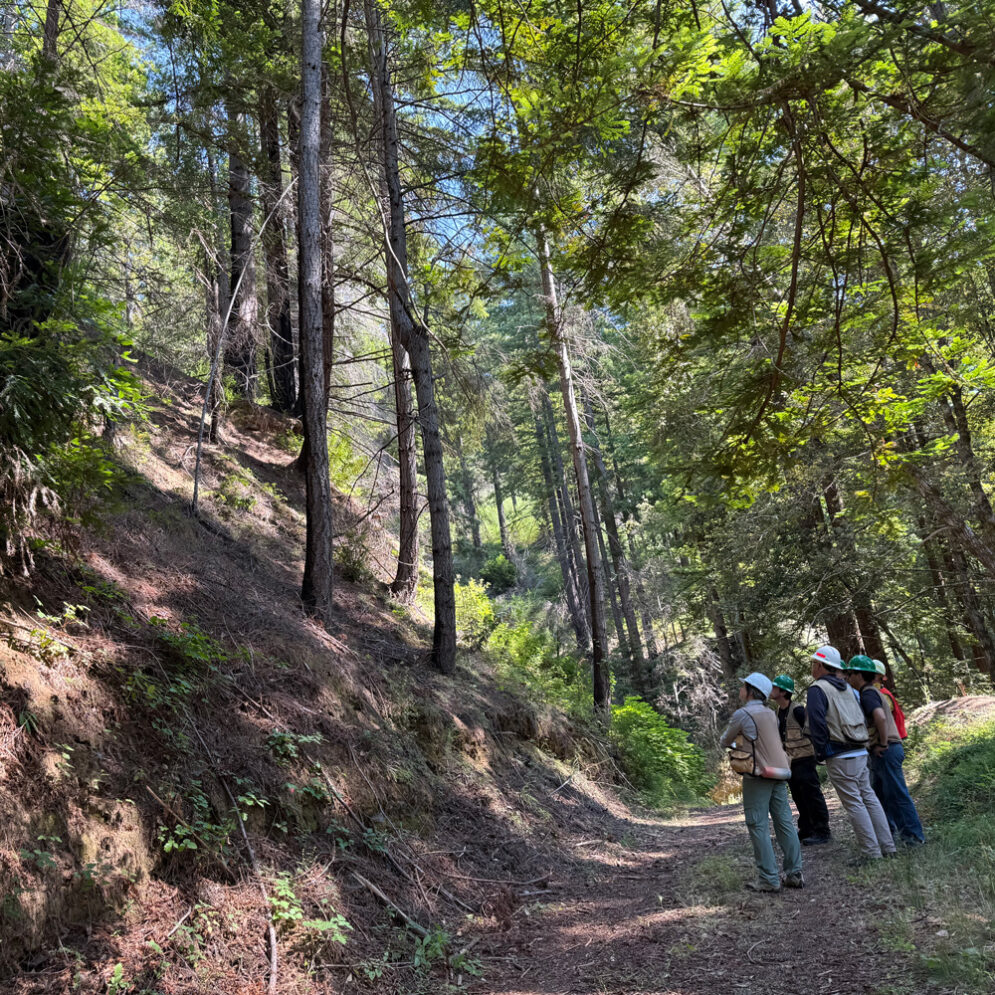
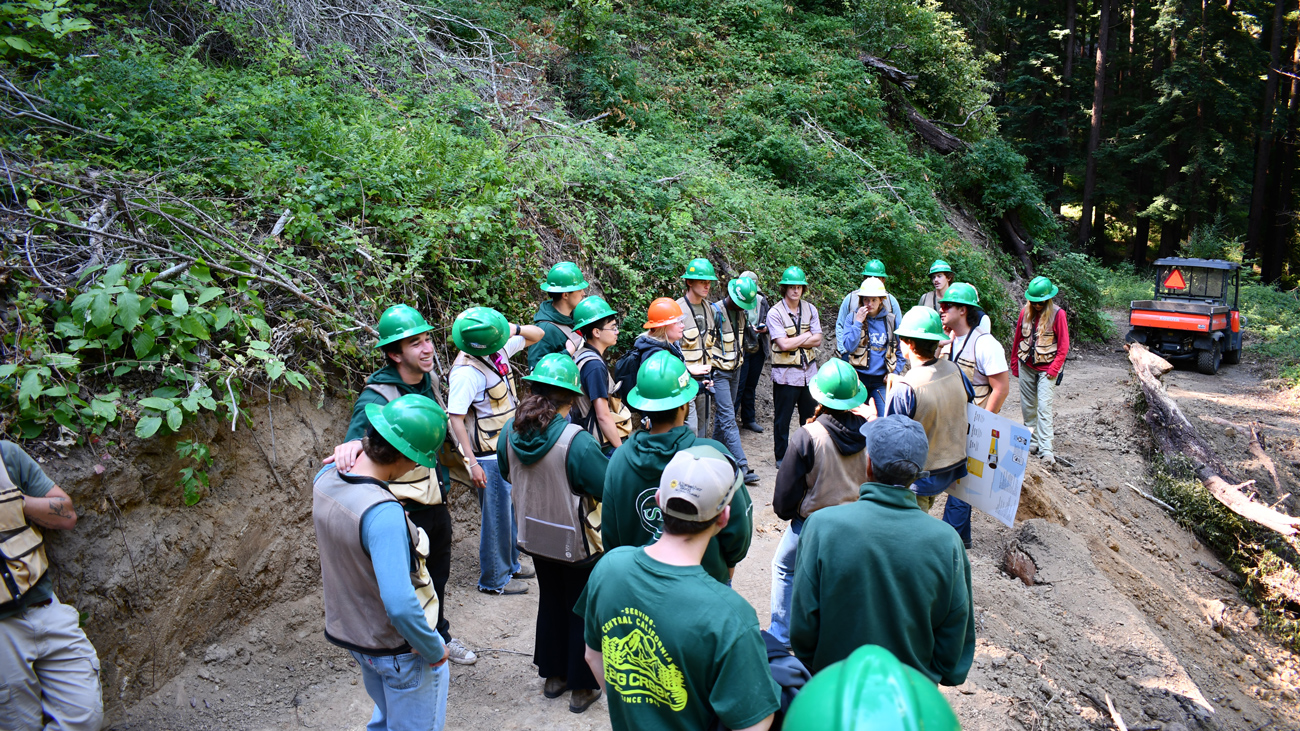
A group of students in hard hats stands at the bottom of a hill at Swanton Pacific Ranch
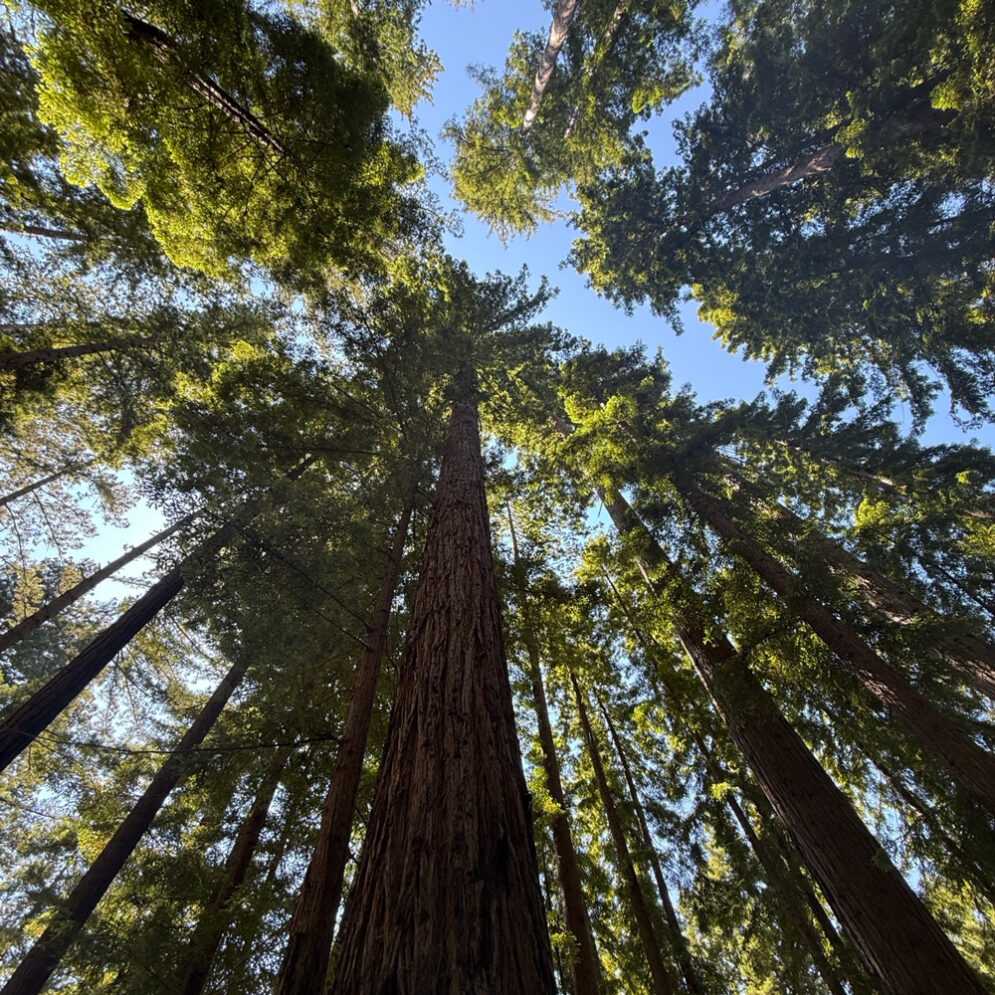
The view from the forest floor at Swanton Pacific Ranch

Recent photos from student visits to the ranch. 

HOW ARE STUDENTS INVOLVED IN THE RECOVERY?

Each summer, we’ve had a crew of student employees who have helped us with various priorities for that season. Many of them have been managing vegetation and hazardous fuel debris, cleaning up damaged infrastructure, and helping us restabilize the site as well as our ability to deliver some degree of programming. That’s been consistent since even the summer of the fire, when there were seven students here who were evacuated.

Among all of that, there are ongoing field trips for watershed processes, forest stewardship, rangeland management — plus new ones like agricultural communication. We’ve worked with multiple landscape architecture studios that produce site designs, concepts and amenity plans. There’s been ongoing faculty-led student projects related to floodplain restoration, infrastructure operations and forest restoration from multiple departments.

Active teaching and research have continued, but the ever-changing site conditions are such that we have a heavy touch with every group. We serve well over 1,500 visits a year and host multiple high-impact events with a very lean and effective team. It demands flexibility, creativity and resiliency with the group. The ranch has this innate ability to demonstrate the realities of what that resilience looks like. 

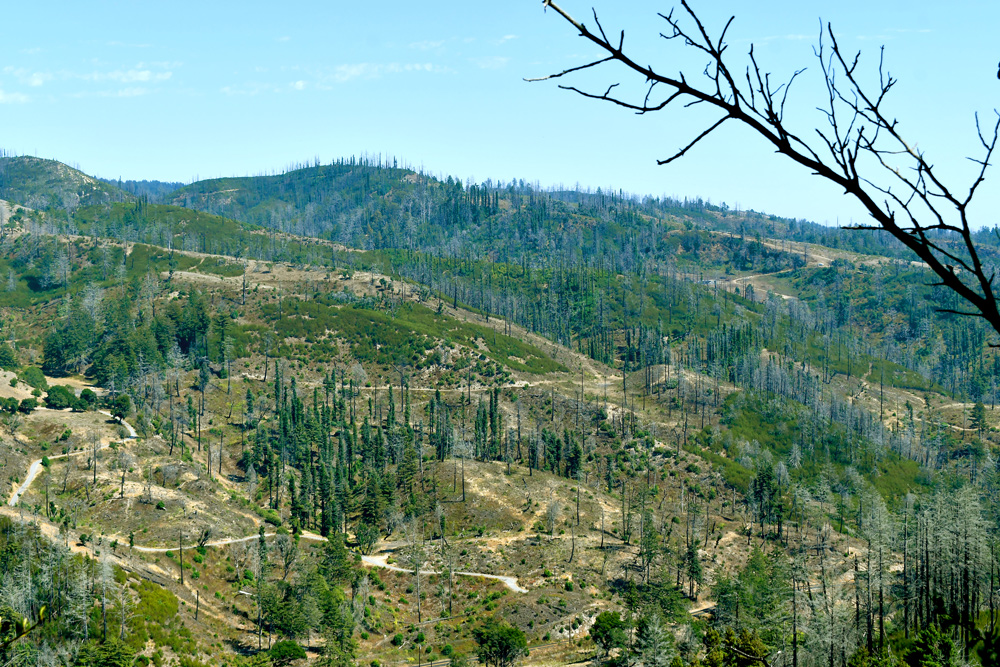
The view of a landscape recovering from wildfire at Swanton Pacific Ranch

A vista of the recovering landscape at Swanton Pacific Ranch.

WHAT DO YOU WANT PEOPLE TO KNOW ABOUT THE SWANTON PACIFIC RANCH RECOVERY EFFORT?

That we’re committed to rebuilding both the ranch and the educational legacy; that the spirit of Swanton Pacific Ranch is alive and strong. The landscape and the community are healing.  

This is a once-in-a-lifetime opportunity for this ranch and Cal Poly. So we need to keep that in mind with the redevelopment decisions that we make and recognize that it is truly an opportunity to have these resources to rebuild at this level — and to position the ranch well for the next disaster.

Candidly, we wish we were further along in the recovery phase. But the magnitude of decisions related to these resources — by that I mean the tens of millions of dollars — means we’re trying to be really deliberate with that investment.  

And quite honestly, our experience — while it’s unique at this location and for this organization — certainly has threads of similarity with what many others are going through. The students who are directly or indirectly participating or benefiting from these experiences will bring that knowledge, skill set and confidence to wherever they land in life.  

Your Next Read

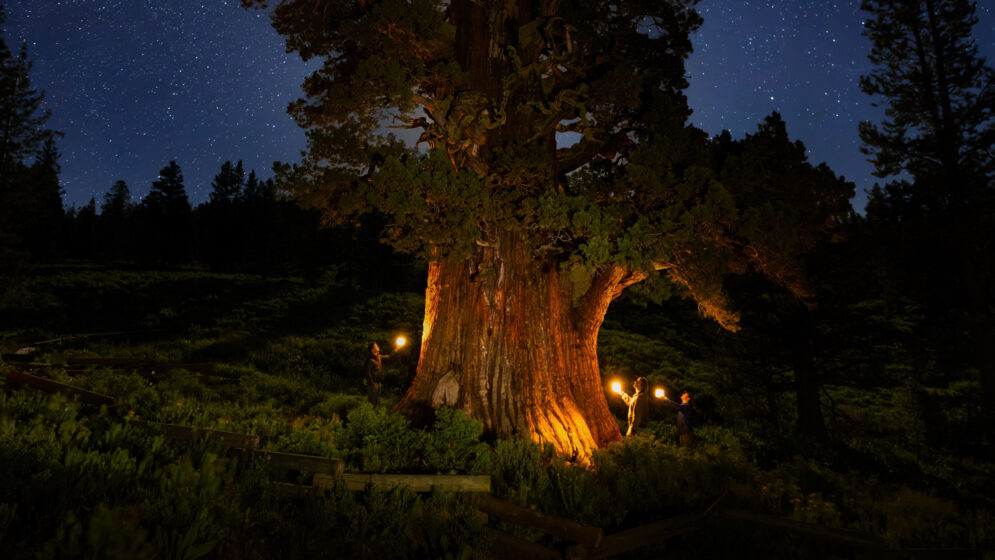
In early July, professors, students and renowned botanists went to Stanislaus National Forest to take updated measurements of the largest Sierra juniper tree on Earth.

Hear from alumni who have held on to their hand-made treasures they created at the ASI Craft Center long after graduation.