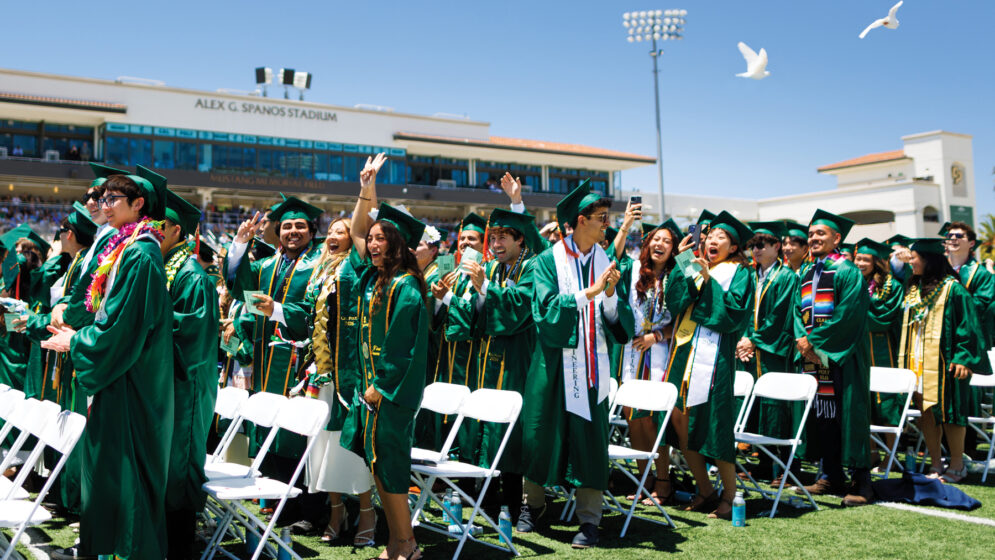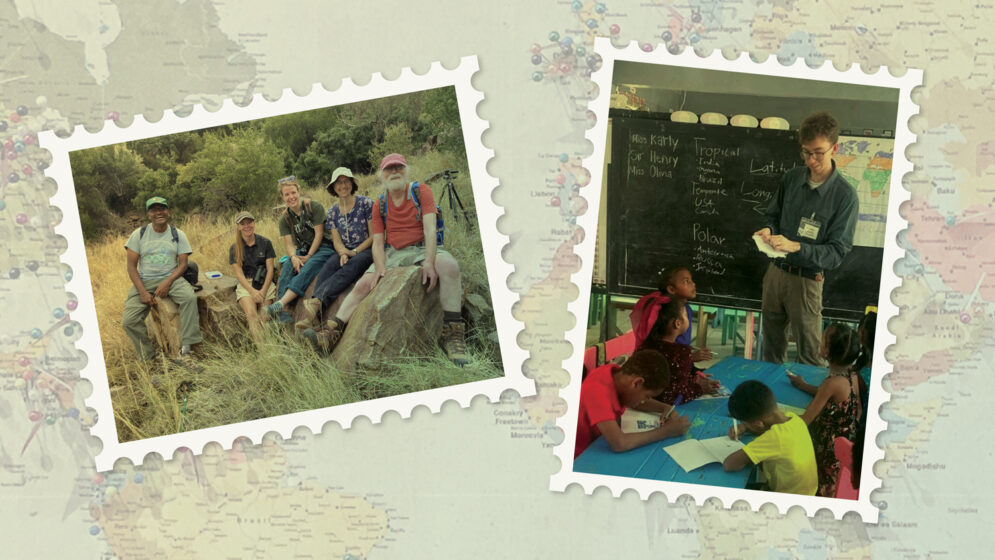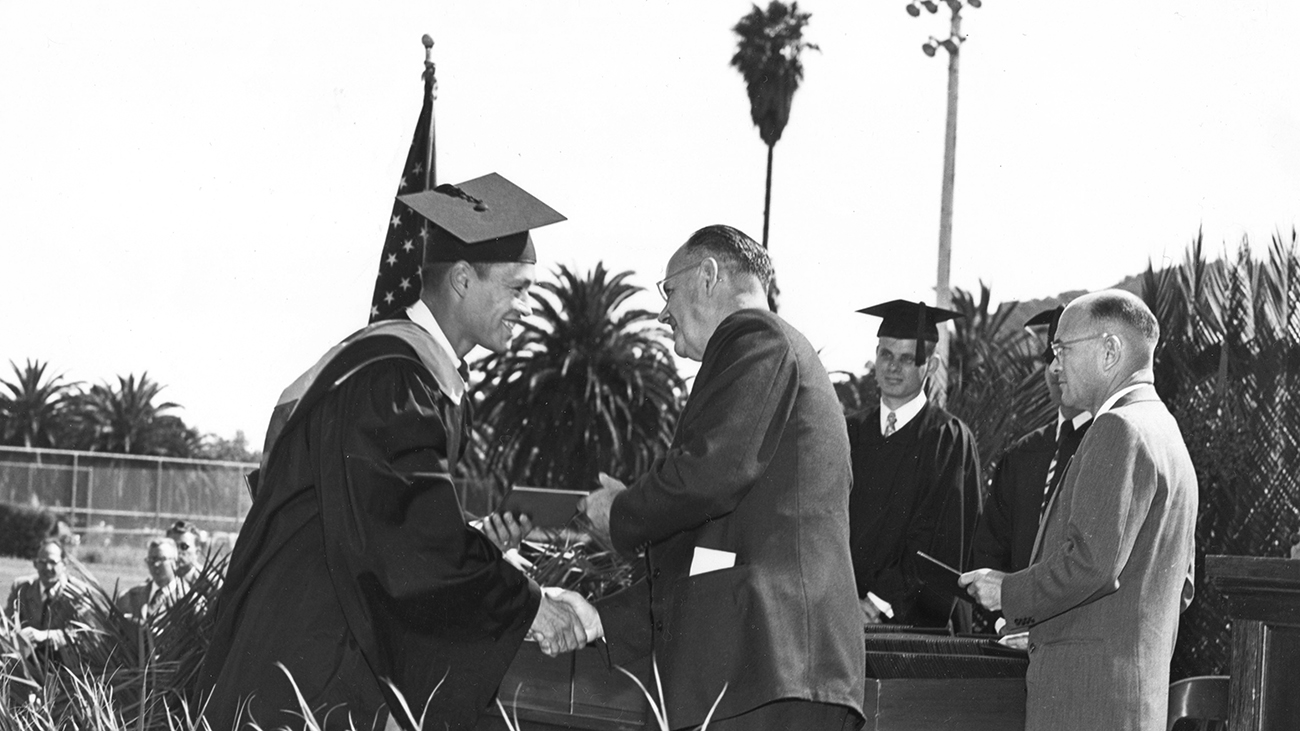
Graduate education at Cal Poly has been shaped by need, resilience and an enduring commitment to serving both students and the surrounding community. As the university celebrates 75 years of graduate education, the history that emerges is one of intentional expansion, responsiveness to national and state needs, and a steady evolution toward innovation and applied learning that our motto defines.
Cal Poly launched its first graduate program in 1949: a Master of Arts in Education. Approved by Governor Earl Warren, the program reflected California’s urgent need for trained educators in the postwar era. Other early graduate offerings included physical education, mathematics, biology and the social sciences, establishing a foundation rooted in public service and workforce preparation.
The 1950s saw new graduate programs influenced by the realities of the Korean War. Cal Poly partnered with the Veterans Administration to provide special consideration for returning veterans seeking careers in teaching. Graduate students became a visible and valued presence on campus, appearing in California Teachers Association club yearbook photos and even inspiring campus cartoons. During this decade, Cal Poly played a key role in meeting the growing demand for agriculture teachers across the state.
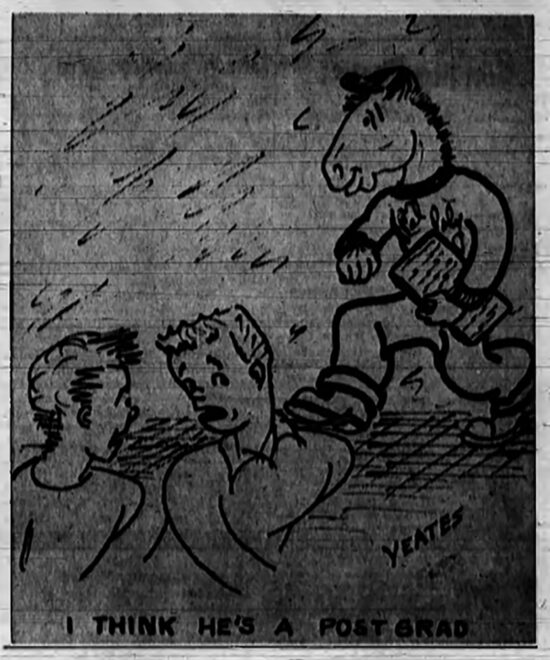
A cartoon in a 1955 issue of the campus newspaper El Mustang recognizing that there’s something a little different about grad students.
In the 1960s, the implementation of California’s Statewide Master Plan for Higher Education paved the way for significant growth, with 17 new master’s degrees approved under the plan. Those new programs included farm management, animal husbandry, applied mathematics, soil science and business administration. Graduate students from out of state became eligible for tuition waivers, further broadening Cal Poly’s reach of service.
The 1970s marked a period of diversification and identity formation for the program. New master’s programs launched in engineering, business, architecture, computer science, city and regional planning, landscape architecture, statistics, and architectural engineering. Graduate students became members of the Graduate Association and were able to take advantage of new fellowships and grants, Peace Corps support and programs like Migrant Education.
In the 1980s, there was a growing emphasis on theses, and technology began reshaping instruction. Cal Poly launched new degrees, such as the Master of Science in counseling, while graduate students contributed meaningfully to campus life, offering free counseling services and participating in honors programs.
Over the decades, strong fellowship and funding opportunities, deep care for students, and meaningful community engagement have remained a constant in the development of graduate education. These elements define 75 years of legacy grounded in service, innovation, and the belief that advanced education can change lives and communities alike.