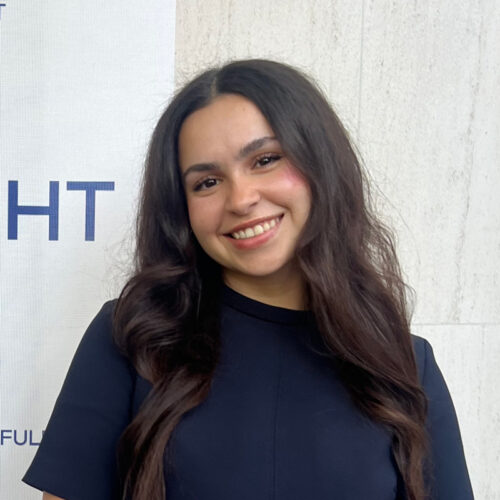
 Huyler, who won a Fulbright English Teaching Assistant Award to teach in Spain from August 2025 to June 2026, became involved with NIFS during the second round of her rigorous application process.
“Following my Fulbright experience, my mind feels more open. Going to a different country and living there is so much different than studying abroad or going on a vacation. I will carry the people I met and the perspectives I gained there with me forever.
I think fellowships, especially international fellowships, really give you these perspectives and experiences that have helped me feel so ready to really propel myself forward in the workforce now. I feel much more independent and capable.”
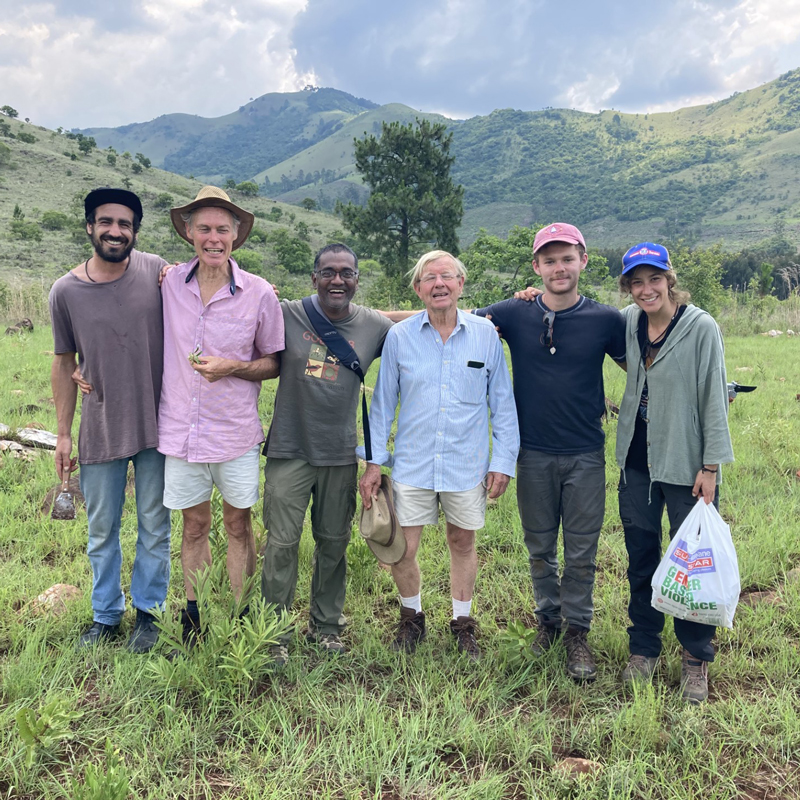
 Okmin applied for and was accepted into the Japan Exchange Teaching (JET) Program for the 2026-27 school year. He spoke to Cal Poly Magazine about a month before leaving for Japan to teach English.
“ I think applying for JET helped me to spend a little bit more time putting intention behind the things that I was applying for and the things that I was putting my time into. It also helped me sharpen my interviewing and writing skills. You aren’t just handed a job. You have to be personable and funny and nice and be somebody that they want to work with.
As a journalism major, I think I have an inherently curious mind. I’m really excited to see that life switch right in front of me and spend a year figuring out why we live differently. How can I serve as somebody to bridge the gap? It’s a cultural exchange program after all. Trying to make sense of it all is something Iʼm really excited for.”
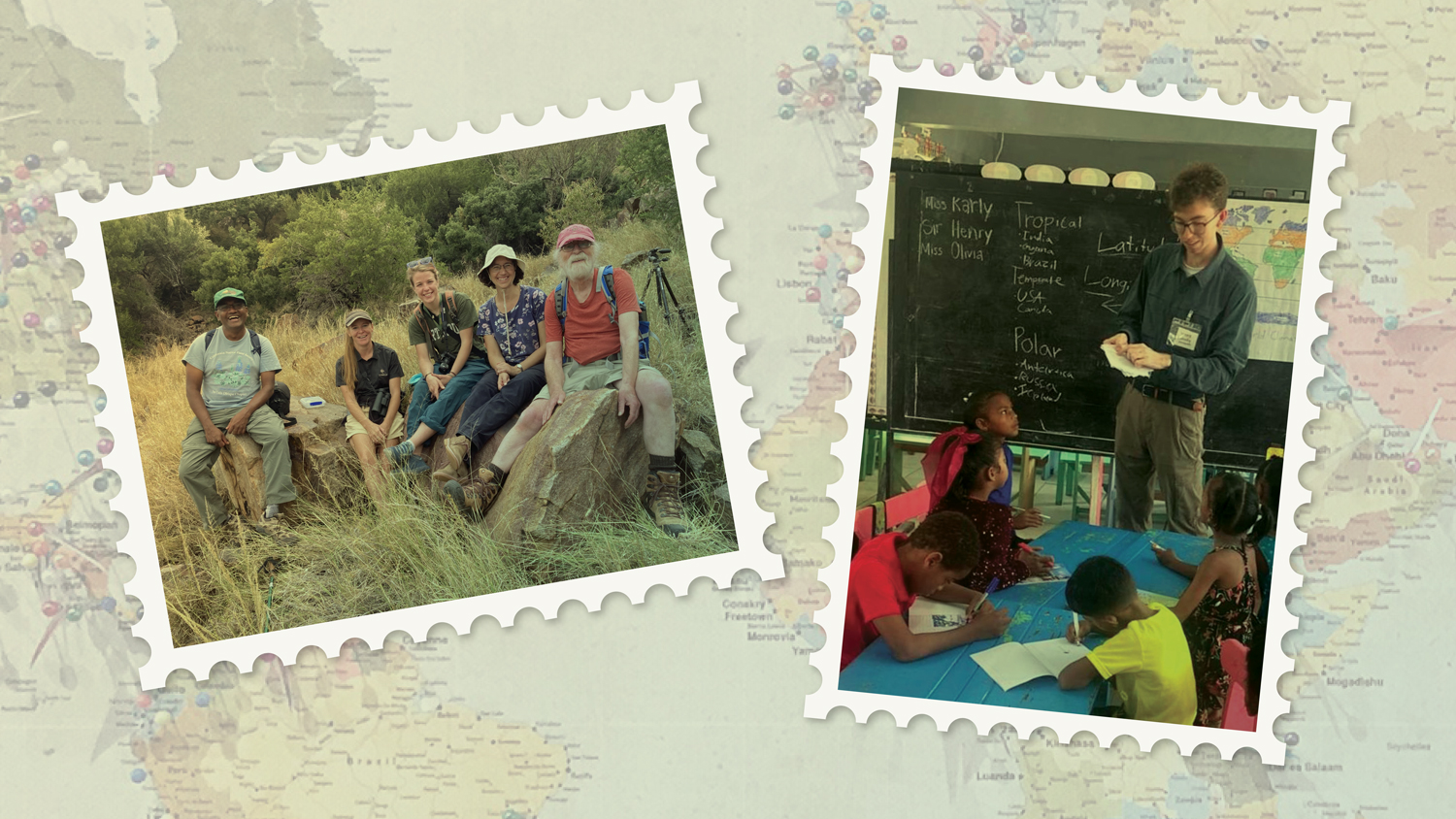
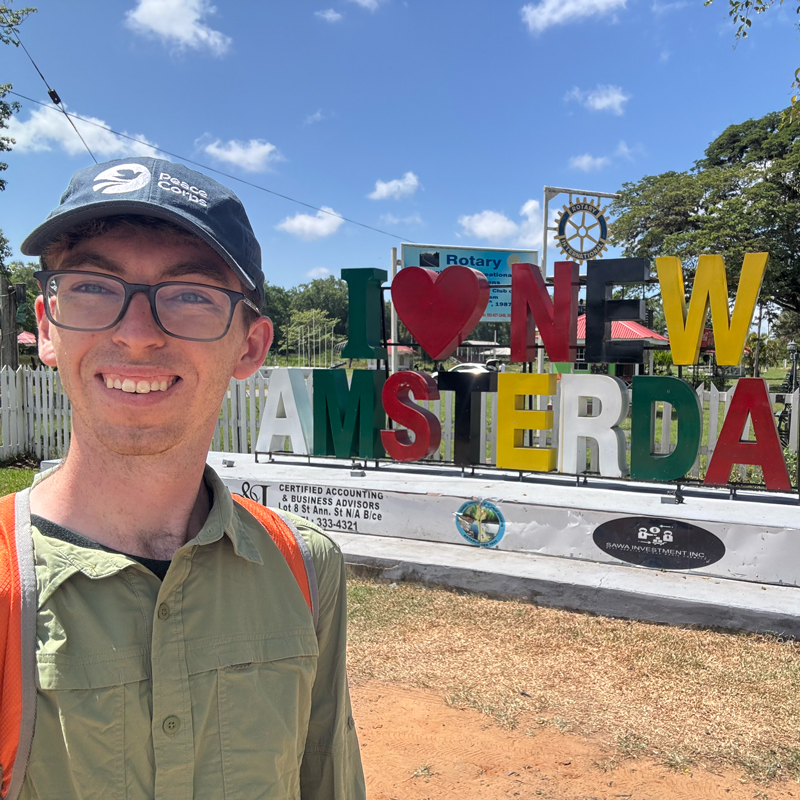
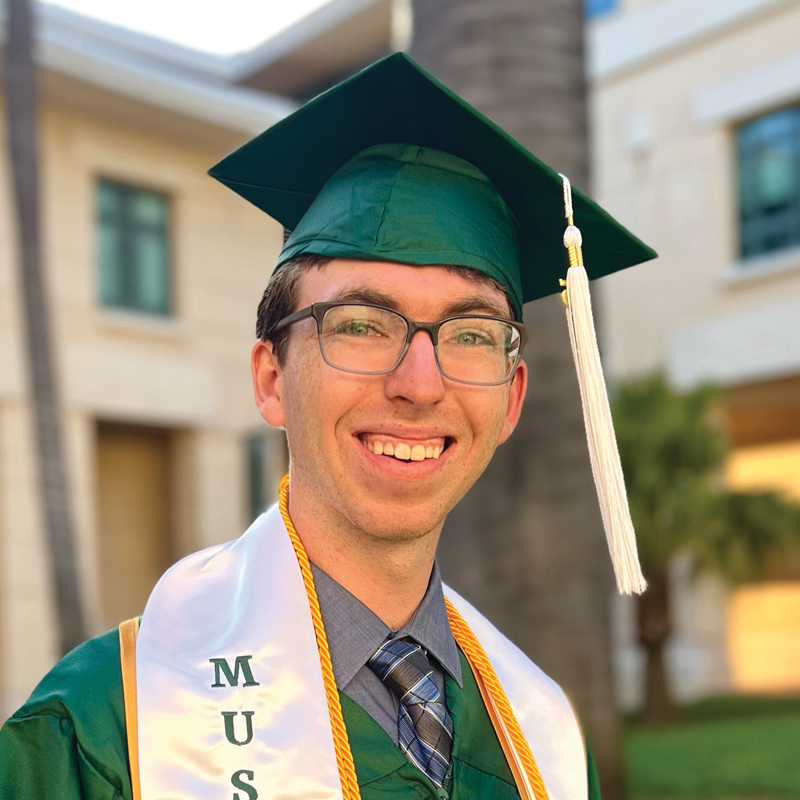 Connolly, who recently became a Peace Corps Volunteer teaching science to young students in Guyana, learned about NIFS during his final year at Cal Poly. The encouragement and support he found there led him to apply for the Peace Corps after college.
“The number one thing NIFS helped with was being accountable to myself and to my dreams. It opened my mind to what my future could be. You could graduate, which is in itself awesome, but you could also go to the next step, and maybe that’s locked behind an application, but that opportunity is there for you if you wanted to chase it down.
I went to the very first NIFS presentation and told the coordinators that I was interested in the Peace Corps. Then I went to the next meeting and the next, and they asked me how my application was coming along. They helped me stay accountable and wouldn’t let me give up before I started.
My job in the Peace Corps is being a science and environment educator for third grade to sixth grade students here in Guyana. Right now, this is a hyper-focused time when I can try to figure out how to be a teacher and have a lot of hands-on experience. I’m really excited.”
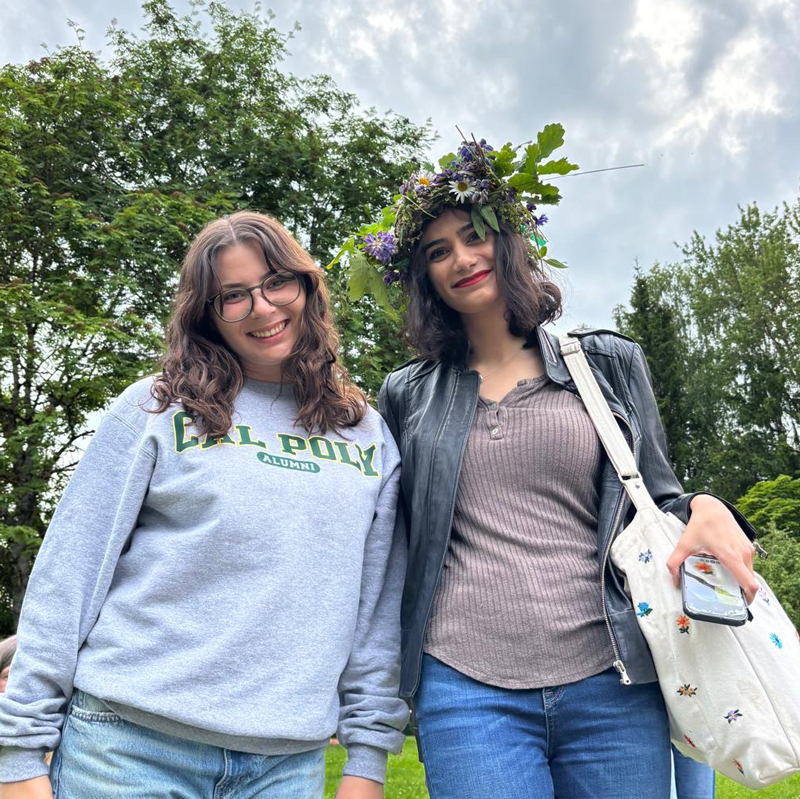
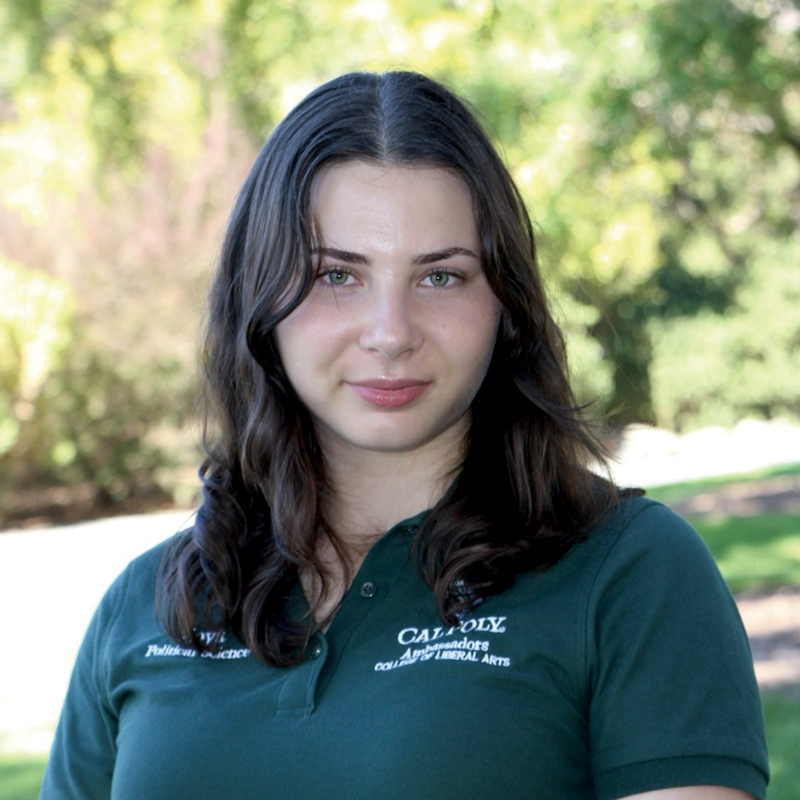 Meydbray won both the Fulbright English Teaching Assistant Award (ETA) in Moldova and the Princeton in Asia fellowship for Kazakhstan, choosing to complete the Fulbright ETA in Moldova. She also studied Russian in Latvia immediately following graduation as part of the State Department’s Critical Language Scholarship, which empowers students to learn languages of strategic importance for the United States. She worked as a NIFS program assistant in winter and spring of 2026.
“In my last year of college, I knew I wanted to go to law school, but I just didn’t feel ready. I decided that I wanted to go abroad first and have these amazing experiences before I’m really tied down to a place or a family. I was just like, “Why not?”
Impostor syndrome is really prevalent in this space, where you think you’re not good enough because you’re not a Nobel Prize winner or something. Being able to reinforce other students’ interest in these awards is really, really helpful to them and rewarding to me because they realize that they can get these scholarships. I’ve won three of them, and I’m also just a regular person.
Applying to these things will put you into rooms that you might not get in otherwise, and it’s such a story that you can tell. I didn’t apply for these scholarships so it would look good on law school applications, but it’s really helpful.
In the future, I’m hoping to concentrate on immigration law, or something else in the public interest, which is partly why Fulbright is so important to me. I think it’s so valuable to connect with communities and learn a language that could be useful in helping others that I might not otherwise connect with.
Connecting with NIFS has been really helpful in knowing that there are people behind me that stand with me and support me in any way that they can. The main thing I want other students to know is to start early in reaching out to NIFS. If you donʼt know where to start, that’s okay. We can help you.”
 Bryan participated in the NIFS class during her final quarter at Cal Poly and is currently applying for the Fulbright English Teaching Assistant program in Argentina.
“This class really helped me articulate my passions. Before, I had always viewed my different volunteer positions and extracurriculars as fragmented pieces, but putting them together made me realize everything is interconnected. It helped me realize what kind of fellowships I might want to apply to while grounding me in who I am as a person.
When I was in high school, I did a foreign exchange program to Costa Rica. Being able to experience language immersion like that made me wonder why we can’t make those programs more accessible to everyone. I definitely feel this calling and this passion to try to create more of those cultural immersion experiences, and I thought the English Teaching Assistant program would be the perfect gateway.
The whole process of opening yourself up to possibility is valuable. One of our first assignments was researching different fellowships out there, and I remember the first thing I felt was impostor syndrome. I thought there was no way the Fulbright program would accept me. But over the next 10 weeks we all slowly gained the confidence to realize that we all have really compelling stories.
It’s just a matter of recognizing that within yourself and then being able to articulate that for others. Regardless of whether you get accepted into one of these programs or not, self-reflection is so valuable.”
Learn more about NIFS through the Academic Advising website.